Mastering Q-Commerce: How to Scale Under-30-Minute Delivery?

Written By Aniket Pandey on Jul 18, 2026
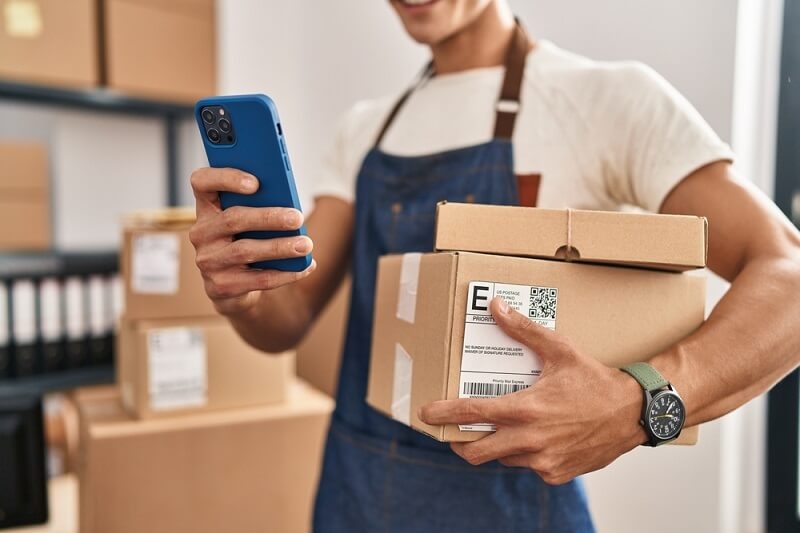
Q-commerce is a delivery model that focuses on sending daily-use items within thirty minutes using nearby supply locations. It is built around speed, local availability, and simple coordination. This blog explains what is q-commerce, how quick commerce works, why people prefer it today, the benefits of quick commerce, and how this model has changed customer expectations across marketplaces.
Understanding What is Q-Commerce?
Q-commerce can be understood as a response to how people live today. Many customers no longer plan purchases days in advance. They notice a need and expect a quick solution. Q-commerce exists to serve that exact moment.
This model focuses on small, frequent orders rather than large shopping carts. Items are selected based on everyday use. Because of this, speed becomes more important than variety or size. Quick commerce works best when distance is reduced.
Unlike traditional delivery systems, q-commerce avoids long processing chains. Orders are picked, packed, and dispatched from locations close to the customer. This helps reduce waiting time and keeps delivery promises realistic.
Marketplaces play a central role in making this possible. They organize demand, guide inventory placement, and manage delivery flow. Through this structure, q-commerce becomes less about logistics complexity and more about smooth execution.
Why People are Loving Quick Commerce?
Quick commerce fits modern lifestyles without asking customers to change habits. It works quietly in the background. Below are the main reasons people continue to choose it.
Works With Real Daily Schedules
People manage work, home, and personal tasks at the same time. Quick commerce supports this reality. Customers can place orders when they realize something is missing. They do not need to plan ahead. This ease makes the service feel natural.
Reduces Mental Effort
Planning purchases takes time and attention. Quick commerce removes that burden. Customers can order exactly what they need, when they need it. Over time, this simplicity becomes a reason to prefer fast delivery over traditional options.
Supports Unexpected Needs
Life does not always follow plans. Quick commerce helps during sudden needs. Fast delivery reduces stress in those moments. When customers experience this reliability once, they tend to return again.
How Does Quick Commerce Work?
You can check the list below to understand how does quick commerce work:
Local Storage Close to Demand
Products are stored in small facilities near residential areas. These locations are chosen based on local buying patterns. Because the distance is short, the delivery time stays low.
Fast and Direct Order Flow
Once an order is placed, it moves through very few steps. There are no long checks or transfers. The order is prepared immediately. This keeps delays minimal and allows quick handling.
Immediate Delivery Assignment
Delivery partners are assigned as soon as orders are ready. Routes are short and familiar. This reduces confusion and waiting. The focus stays on reaching the customer quickly.
What are the Benefits of Quick Commerce?

The benefits of quick commerce are visible in daily usage. They influence customer trust and long-term engagement.
Improves Customer Satisfaction
Fast delivery meets customer expectations directly. People feel supported when items arrive quickly. This creates a positive experience without extra effort. Satisfaction grows because service feels reliable.
Encourages Frequent Use
Quick commerce supports small, regular orders. Customers return often because the process feels easy. This steady interaction helps marketplaces stay relevant in daily life.
Makes Local Supply More Efficient
One of the benefits of quick commerce is smarter inventory use. Stock is planned based on nearby demand. This reduces waste and improves availability. Local supply becomes more balanced over time.
How Quick Commerce has Impacted Customer Preferences?
Quick commerce has changed what customers expect from delivery services. Speed is no longer optional. It is expected.
Faster Delivery Is the New Normal
Customers now expect quick access to daily items. Long delivery times feel inconvenient. Quick commerce has raised the standard across marketplaces.
Shift Toward Smaller Orders
People prefer ordering smaller quantities more often. This fits modern living spaces and habits. Quick commerce supports this behavior naturally.
Stronger Dependence on Marketplaces
When delivery is fast and consistent, trust builds. Customers rely more on marketplaces that deliver quickly. This trust influences long-term choices and loyalty.
How Quick Commerce Is Different From Traditional Commerce?
Quick commerce is built around speed, while traditional commerce is built around planning. This is the main difference. In traditional commerce, customers place orders and wait hours or even days for delivery. Quick commerce focuses on meeting needs almost immediately, often within a short time window.
Traditional commerce depends on large warehouses that are usually far from the customer. Orders travel long distances and pass through many steps before delivery. Quick commerce works differently. It uses nearby storage locations, so products are already close to where people live. This reduces travel time and makes fast delivery possible.
Another difference is order size and frequency. Traditional commerce often encourages bulk buying and planned purchases. Quick commerce supports small orders placed when a need arises. People order fewer items but do so more often, without planning.
Customer expectations also change between the two models. Traditional commerce asks for patience. Quick commerce is built on immediacy. Customers expect fast action, quick confirmation, and timely delivery. Because of this, quick commerce feels more connected to daily life, while traditional commerce supports long-term shopping needs.
Conclusion
Q-commerce has changed how speed, convenience, and daily needs come together. By using local supply and simple systems, it fits modern expectations. As habits continue to evolve, this model remains important for marketplaces serving everyday demand.
Frequently Asked Questions
1. What is q-commerce in simple terms?
Q-commerce means delivering daily items quickly using nearby storage locations and short delivery routes.
2. How does quick commerce work in daily use?
Quick commerce works by reducing the distance for fast delivery and simplifying order steps.
3. Why is quick commerce becoming popular?
People prefer quick commerce because it saves time and removes planning effort.
4. What are the benefits of quick commerce for customers?
The benefits of quick commerce include speed, ease of use, and reliable support during urgent needs.
5. Has quick commerce changed shopping habits?
Yes, quick commerce has encouraged frequent small orders and higher expectations for delivery speed.