What is Subscription Economics, Top Strategies & Benefits?

Written By Aniket Pandey on Jul 18, 2026
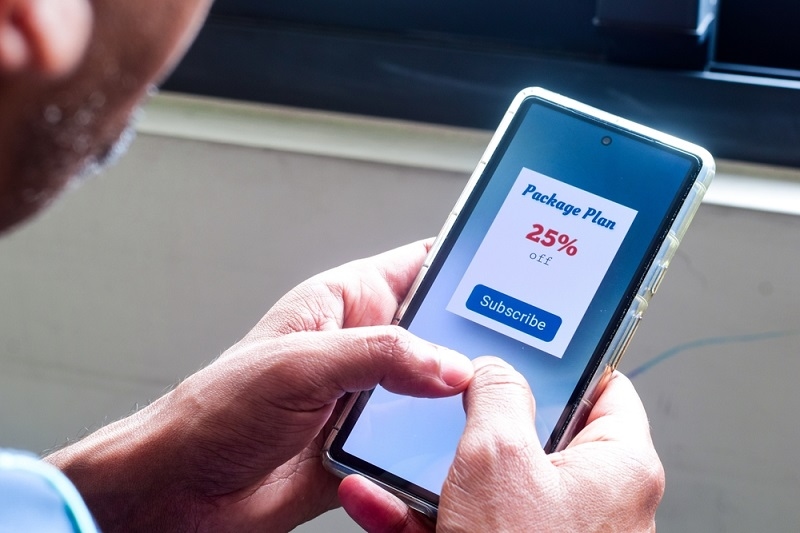
Subscription economics is a model where businesses grow by offering ongoing access instead of one-time buying. It focuses on the regular usage of customers and long-term value rather than quick results.
This blog explains what subscription economics means, how it works in real life, key features, common subscription pricing strategies, major benefits, and how this model has changed customer experiences over time.
Understanding What is Subscription Economics
You can refer to subscription economics as a system where customers continue using a service over time instead of buying once and leaving. The value is delivered slowly and consistently, not all at once.
The relationship does not end after a customer signs up for a subscription economics. That moment is only the beginning. The business must continue to prove its value through regular service, clear communication, and reliable access. If the value drops, customers leave. If it remains useful for the people, they stay loyal to it.
Top Features of Subscription Economics
The features below explain how subscription economics works in daily operations. These points highlight why this model supports long-term stability.
1. Long-Term Customer Connection
Subscription economics depends on continuous interaction with customers. The service stays active, and so does the relationship. This regular connection helps businesses understand customer habits and preferences over time. It also makes communication feel natural rather than forced.
Because customers stay longer, businesses can adjust services slowly instead of making sudden changes. This ongoing connection builds familiarity and comfort. Over time, customers feel more involved, which increases trust and reduces drop-offs.
2. Steady Business Planning
Another important feature of subscription economics is planning stability. When customers continue using a service, it helps businesses to predict customer demands properly. This makes daily operations smoother and reduces unexpected pressure on teams.
This also allows them to focus better on quality. It helps businesses to improve systems step by step. This creates a more controlled and calm working environment, which supports consistent service delivery.
3. Continuous Value Delivery
Subscription economics focuses on small, ongoing improvements. Value is delivered regularly, not in one large moment. This could be through better support, smoother access, or gradual updates that improve usability.
Customers notice when services evolve in simple but meaningful ways. Continuous delivery helps keep the experience relevant. It also shows commitment, which encourages customers to stay engaged for longer periods.
Top Subscription Pricing Strategies That Businesses Use
Subscription pricing strategies are designed to be clear and easy to follow. These strategies focus on fairness and simplicity rather than complexity.
1. Simple Recurring Access
One of the most common subscription pricing strategies offers the same level of access during each cycle. Customers know what they will receive and when. This removes confusion and builds confidence.
Simple access plans work well because they do not require constant decisions. Customers can focus on using the service instead of thinking about changes. Over time, this clarity strengthens trust and reduces hesitation.
2. Tier-Based Options
Another popular approach among subscription pricing strategies is offering different levels of access. Each level is clearly defined, so customers can choose what fits their needs.
This structure gives flexibility without overwhelming users. Customers can move between levels as their needs change. This freedom helps people feel in control, which improves satisfaction and long-term participation.
3. Usage-Based Flexibility
Some subscription pricing strategies adjust based on how much the service is used. This approach can feel fair to customers who want flexibility. They only engage at the level that suits them.
Usage-based access also encourages transparency. Customers understand how their usage connects to the service they receive. This clarity helps reduce frustration and makes the experience feel balanced.
What are the Benefits of Subscription Economics?
The benefits of subscription economics affect both businesses and customers. These advantages help explain why this model continues to expand.
1. Stronger Customer Retention
Customers are more likely to stay loyal to a business when they receive steady value. The smooth rhythm of service builds your familiarity and comfort.
2. Better Understanding of Customers
It provides businesses with deeper insight into customer behavior. The regular usage of subscription economics shows the patterns that one-time purchases cannot reveal. These insights help businesses make better decisions.
3. More Stable Growth
Progress becomes more predictable because it depends on ongoing participation rather than sudden spikes. It allows businesses to plan improvements carefully and reduces stress across teams.
How Subscription Economics has Impacted Customer Experiences
Subscription economics has changed how customers interact with services. These points explain how everyday experiences have evolved.
1. Easy Access Without Pressure
Customers like to have access instead of ownership. Subscription economics removes the heavy commitment of ownership, which has made it extremely popular. People can use services when needed without long-term pressure.
This flexibility makes services feel lighter and easier to adopt. Customers feel more comfortable exploring options without fear of making the wrong choice.
2. More Personal Experiences
Regular engagement allows services to adjust over time. Small changes based on usage create more personal experiences. Customers notice when services adapt naturally.
This personal feel increases satisfaction. It shows that the service responds to real behavior, not general assumptions. Over time, this strengthens emotional connection.
3. Clear Expectations Over Time
Subscription economics creates predictable patterns. Customers know what happens next and when. This reduces uncertainty and builds confidence.
Clear expectations help customers feel secure. When everything is transparent, the trust can grow. This trust plays a major role in long-term engagement.
Conclusion
Subscription economics focuses on steady value, long-term relationships, and consistent access. It supports stable growth and better customer experiences. By using simple subscription pricing strategies and focusing on real needs, businesses can build trust and remain relevant over time.
Frequently Asked Questions
What is subscription economics?
Subscription economics means offering ongoing access to a service instead of selling something once.
Why are subscription pricing strategies important?
Subscription pricing strategies keep access clear, fair, and easy for customers to understand.
What are the main benefits of subscription economics?
There are various benefits of subscription economics, like retention, stability, and much more.
Does subscription economics work for all services?
It works best for services that provide regular value and ongoing use.
How does subscription economics improve customer trust?
It builds trust through clear access, predictable service, and steady improvement.